Categories

Stainless Steel Plate: Comprehensive Guide for Applications, Types, and Selection

This article mainly introduces the definition, application and parameter differences of stainless steel plates. If you need more details, you can consult us immediately.
Mar 26th,2025 325 Views

Overview of Stainless Steel Plates 

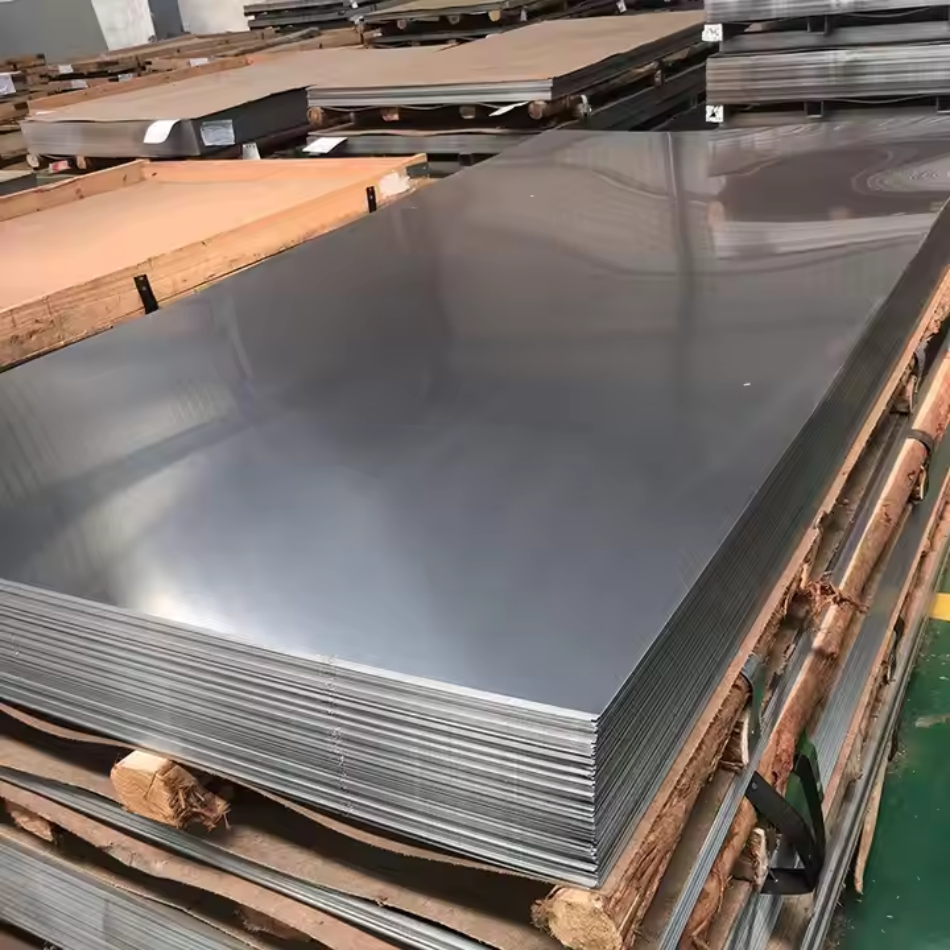
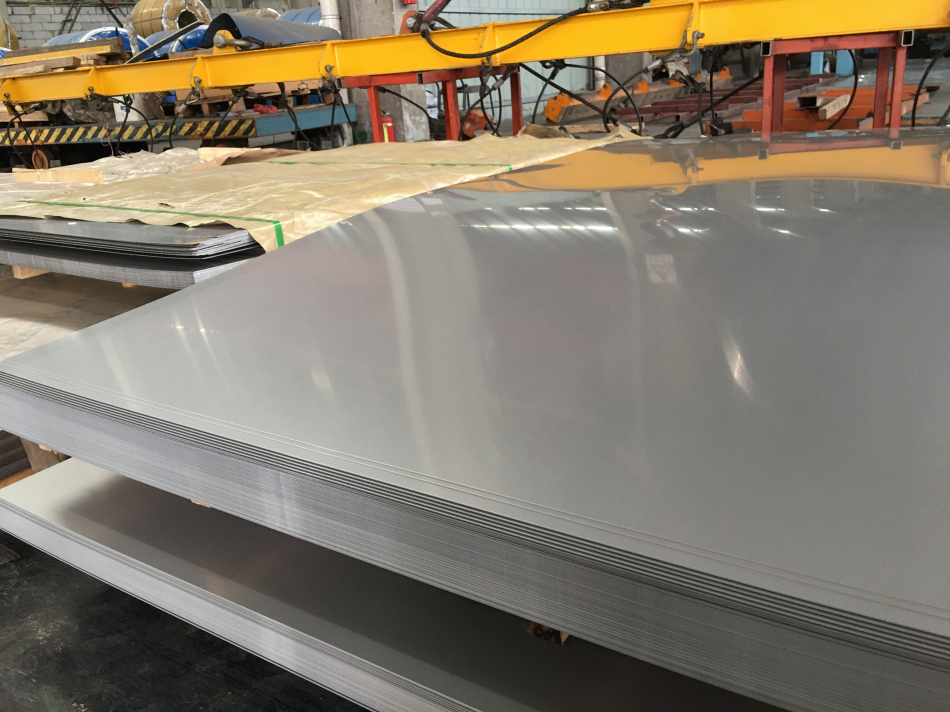
Stainless steel plate is a flat rolled metal product known for its corrosion resistance, durability, and versatility. Stainless steel is mainly composed of iron, chromium (at least 10.5%), and other alloying elements such as nickel and molybdenum, and is widely used in various industries from construction to aerospace.
Common standards include ASTM/AISI/JIS/GB/DIN/EN, and common stainless steel plate surfaces include BA/2B/NO.1/NO.4/4K/HL/8K, all of which can be specified.


stainless steel plate

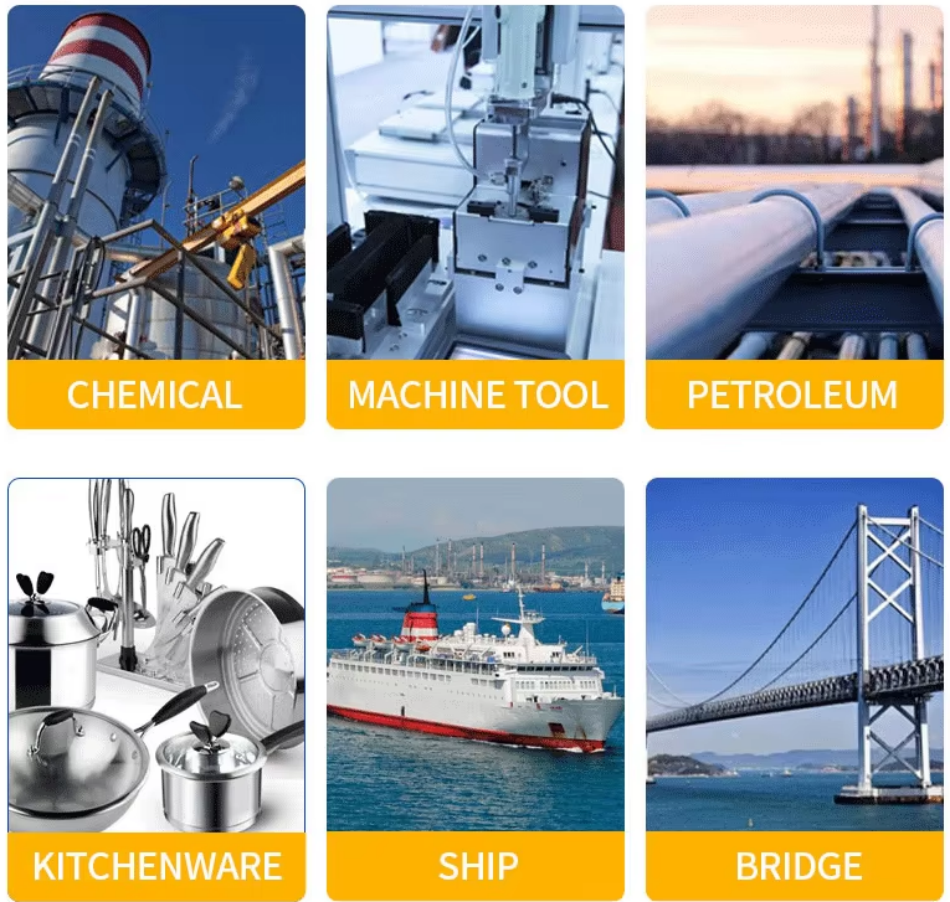
Applications of Stainless Steel Plates

Construction: Used in structural frameworks, cladding, and roofing due to high strength and aesthetic appeal.
Chemical Processing: Resistant to acidic/alkaline environments, ideal for tanks and pipelines.
Food & Beverage: Hygienic properties make it suitable for processing equipment and storage.

Applications of Stainless Steel Plates

Common Types of Stainless Steel Plates


Grade
C
Si
Mn
P
S
Ni
Cr
Mo
201
≤0 .15
≤0 .75
5. 5-7. 5
≤0.06
≤ 0.03
3.5 -5.5
16 .0 -18.0
-
202
≤0 .15
≤l.0
7.5-10.0
≤0.06
≤ 0.03
4.0-6.0
17.0-19.0
-
301
≤0 .15
≤l.0
≤2.0
≤0.045
≤ 0.03
6.0-8.0
16.0-18.0
-
302
≤0 .15
≤1.0
≤2.0
≤0.035
≤ 0.03
8.0-10.0
17.0-19.0
-
304
≤0 .0.08
≤1.0
≤2.0
≤0.045
≤ 0.03
8.0-10.5
18.0-20.0
-
304L
≤0.03
≤1.0
≤2.0
≤0.035
≤ 0.03
9.0-13.0
18.0-20.0
-
309S
≤0.08
≤1.0
≤2.0
≤0.045
≤ 0.03
12.0-15.0
22.0-24.0
-
310S
≤0.08
≤1.5
≤2.0
≤0.035
≤ 0.03
19.0-22.0
24.0-26.0
316
≤0.08
≤1.0
≤2.0
≤0.045
≤ 0.03
10.0-14.0
16.0-18.0
2.0-3.0
316L
≤0 .03
≤1.0
≤2.0
≤0.045
≤ 0.03
12.0 - 15.0
16 .0 -1 8.0
2.0 -3.0
321
≤ 0 .08
≤1.0
≤2.0
≤0.035
≤ 0.03
9.0 - 13 .0
17.0 -1 9.0
-
630
≤ 0 .07
≤1.0
≤1.0
≤0.035
≤ 0.03
3.0-5.0
15.5-17.5
-
631
≤0.09
≤1.0
≤1.0
≤0.030
≤0.035
6.50-7.75
16.0-18.0
-
904L
≤ 2 .0
≤0.045
≤1.0
≤0.035
-
23.0·28.0
19.0-23.0
4.0-5.0
2205
≤0.03
≤1.0
≤2.0
≤0.030
≤0.02
4.5-6.5
22.0-23.0
3.0-3.5
2507
≤0.03
≤0.8
≤1.2
≤0.035
≤0.02
6.0-8.0
24.0-26.0
3.0-5.0
2520
≤0.08
≤1.5
≤2.0
≤0.045
≤ 0.03
0.19 -0. 22
0. 24 -0 . 26
-
410
≤0.15
≤1.0
≤1.0
≤0.035
≤ 0.03
-
11.5-13.5
-
430
≤0.1 2
≤0.75
≤1.0
≤ 0.040
≤ 0.03
≤0.60
16.0 -18.0
-

How to Choose the Right Stainless Steel Plate

Define Environmental Conditions: Assess exposure to chemicals, temperature, and humidity.

Prioritize Mechanical Properties: Strength, hardness, and formability requirements.

Budget Constraints: Balance performance with cost (e.g., 430 stainless steel plate vs. 316 stainless steel plate).

Maintenance and Processing Tips

Cleaning: Use non-abrasive cleaners to avoid surface scratches.

Welding: Prefer TIG welding for grades like 316 stainless steel plate to prevent carbide precipitation

Future Trends in Stainless Steel Technology

Sustainable Production: Recycling scrap steel to reduce carbon footprint.

Advanced Alloys: Development of high-entropy alloys for extreme environments.

In Conclusion

Stainless steel plates are indispensable in modern industry. By understanding their types, applications, and selection criteria, users can optimize performance and cost-efficiency. Regular updates on material innovations (e.g., AI-driven alloy design) will further enhance their utility.

stainless steel plate
 
We use Cookie to improve your online experience. By continuing browsing this website, we assume you agree our use of Cookie.